Tharros Place: Providing Courage and Healing for Human Trafficking Survivors in Coastal Georgia
Human trafficking is often thought of as something that happens “somewhere else.” But in Coastal Georgia, it is a harsh and urgent reality—and Tharros Place is stepping in to change the future for some of the community’s most vulnerable young people.
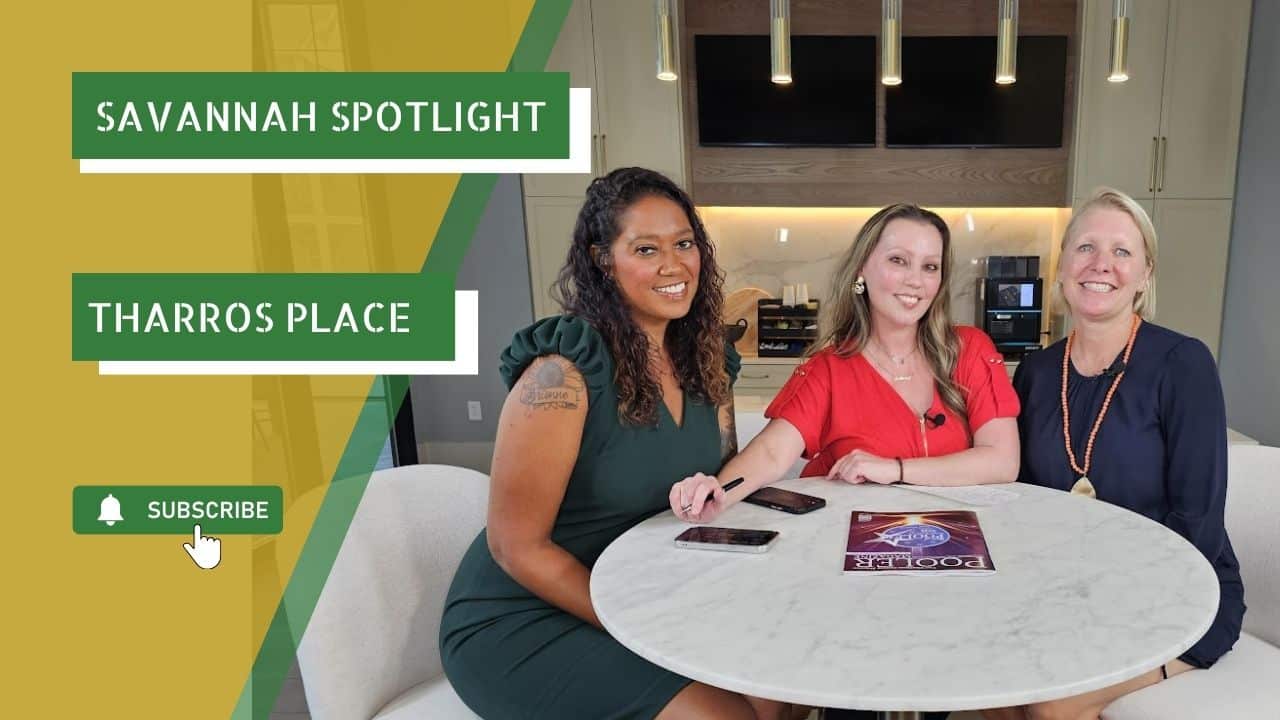
On a recent episode of Savannah Spotlight, host Renee LaSalle was joined by co-host Michelle Horne of Horne Law Firm for a powerful and eye-opening conversation with Julie Wade, Founder and Executive Director of Tharros Place.
The discussion shed light on the realities of human trafficking in Georgia, the gaps in services for survivors, and the life-changing work happening quietly—but impactfully—right here in our region.
What Is Tharros Place?
Tharros Place is a 12-bed residential facility for girls ages 12 to 17 who are survivors of human trafficking. Located in Coastal Georgia at an undisclosed address for safety reasons, the home serves girls from across the state, providing 24/7, year-round care in a trauma-informed environment.
The name “Tharros” comes from the Greek word for courage, a fitting reflection of both the young survivors and the mission behind the organization.
Residents receive comprehensive support, including:
-
Safe housing and supervision
-
Education and academic coordination
-
Life-skills development
-
Mental health counseling and therapy
-
Physical wellness and structured activities
The ultimate goal is to help each girl transition out of trafficking and back into life as a teenager—on her own terms, and at her own pace.
Human Trafficking Is Happening Here
One of the most sobering parts of the conversation was the local data.
Georgia ranks second in the nation for reported human trafficking cases, and Chatham County ranks sixth in the state. Outside of Atlanta, Coastal Georgia has the highest concentration of cases.
According to Julie Wade, several factors contribute to this reality, including:
-
High levels of poverty and youth vulnerability
-
Proximity to I-95, a major trafficking corridor
-
Ports, airports, and heavy tourism traffic
-
A hospitality environment that can be exploited
Trafficking does not look like it does in movies. In most cases, it involves local Georgia girls, often groomed and manipulated by older individuals they believe they are in relationships with. Many do not initially identify themselves as victims.
Recognizing the Signs
Trafficked teens often appear, at first glance, like any other teenager. However, Julie Wade emphasized that people who know children well—teachers, coaches, mentors, and caregivers—are often the first to notice changes.
Some potential warning signs include:
-
Sudden changes in behavior or mood
-
Declining grades or school absences
-
New expensive items with no explanation
-
Chronic exhaustion
-
Withdrawal from family or trusted adults
Education and awareness are critical. Tharros Place has already educated more than 20,000 people through outreach efforts with schools, law enforcement, hospitality workers, utilities, and community organizations.
Filling Critical Gaps in Care
Before Tharros Place opened, there were no residential services within 90 miles for trafficked girls in this region. While the organization has filled a major gap, others still remain.
Two of the largest unmet needs include:
-
Residential services for boys, which currently do not exist in Georgia
-
Support for young adults ages 18–21, a vulnerable transition period when many survivors are not ready to live independently
Tharros Place works closely with local partners, educators, nonprofits, and service providers to ensure residents receive holistic care without duplicating efforts.
Community Support Makes the Work Possible
Operating a residential program of this nature requires significant resources. Tharros Place runs on an annual budget of approximately $1.5 million, covering staffing, food, transportation, utilities, education, and therapeutic services.
With federal funding becoming less reliable nationwide, community support is more important than ever.
Ways individuals and businesses can help include:
-
Financial donations
-
Hosting or participating in fundraising nights with local restaurants
-
Donating household supplies
-
Volunteering for approved projects like meals, lawn care, or holiday decorating
-
Becoming a mentor (with training and background checks)
Local partnerships—such as early support from Horne Law Firm—have played a key role in helping Tharros Place grow and stabilize.
How to Get Involved
To learn more about Tharros Place, request educational training, volunteer, or donate, visit:
While the facility’s location remains confidential, the organization welcomes community involvement and collaboration from churches, schools, sororities, businesses, and civic groups.
A Message of Hope
As Julie Wade shared during the interview, while the topic of human trafficking is heartbreaking, the work itself is hopeful.
Changing the trajectory of a teenager’s life—giving her safety, stability, and courage—creates ripple effects that can last a lifetime.
And thanks to organizations like Tharros Place, that change is happening right here in Coastal Georgia.

Stay Connected with Live Like Locals
Get updates on upcoming events, news and giveaways.